Choose an architecture before a module shortlist
| Project task | Catalogue starting point | Host/project responsibility |
|---|---|---|
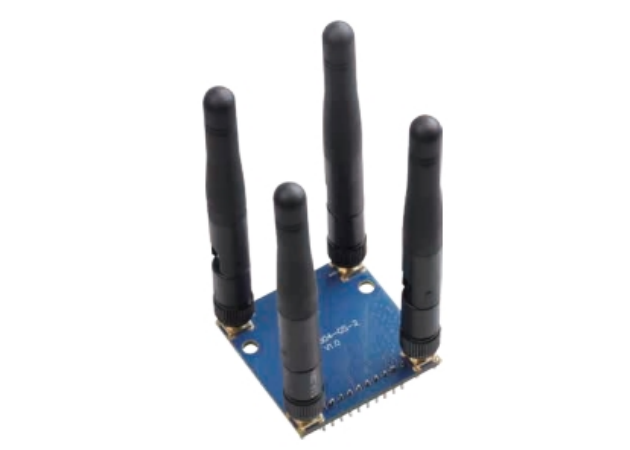
| Embedded distance and bearing measurements | GC-P2304-GS-2 | Interpret messages and implement the equipment behaviour |
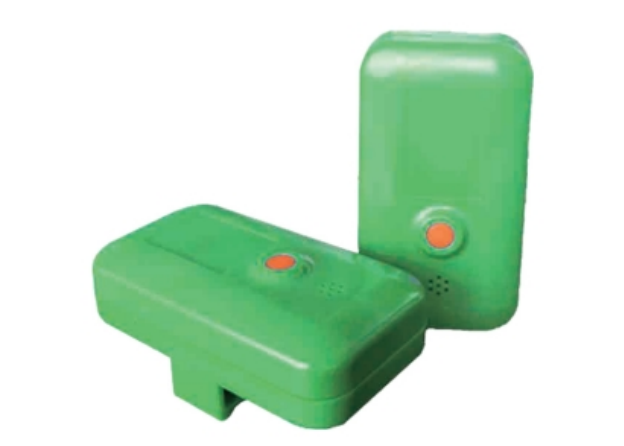
| Site-oriented positioning discussion | GC-P2304-Q with the relevant tag under review | Define the site, reference frame and accepted configuration |
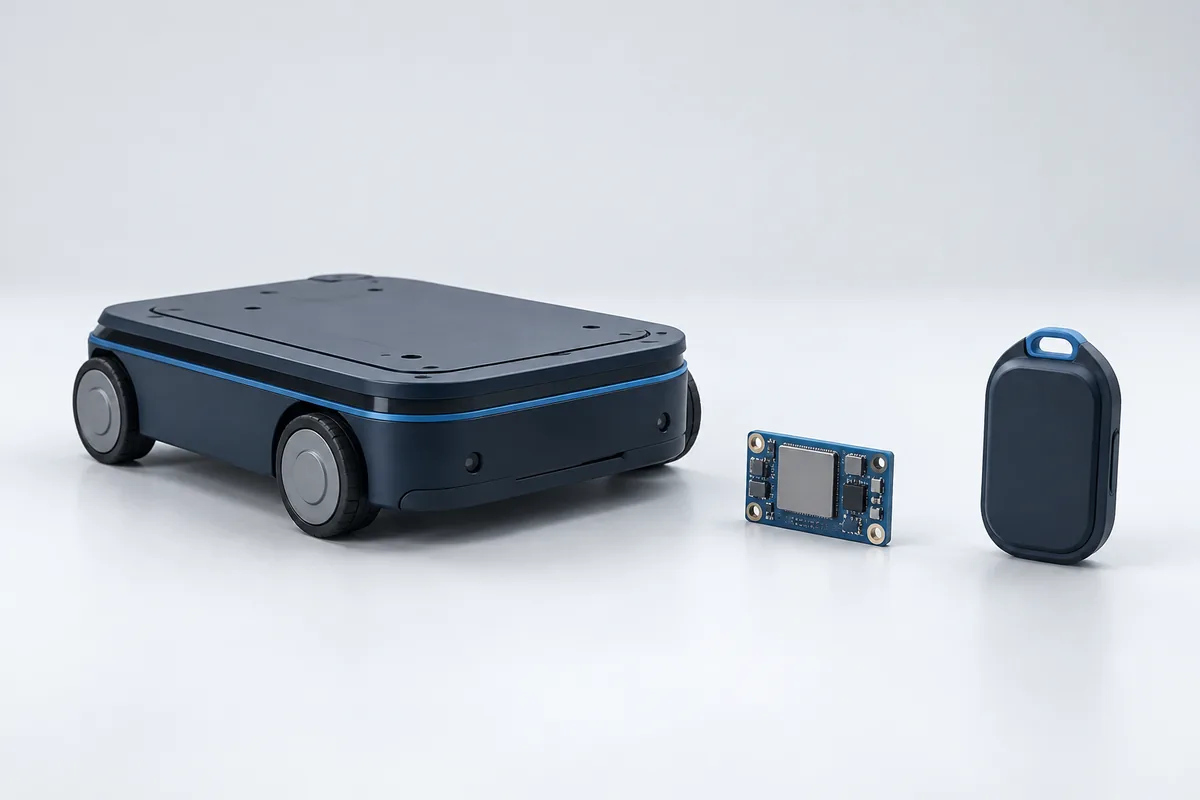
| A complete following function | A separately defined measurement/control architecture | Motion control, unavailable-data behaviour and any safety requirements |
Confirm supported tag models, antennas, firmware and message formats for the actual selection. An available public SDK or evaluation kit is not assumed.
Keep measurement quantities model-specific
The embedded GC-P2304-GS-2 entry lists distance and angle measurements, a UART interface and up to three tags. Its range, distance accuracy and angle accuracy describe different quantities; none is a dynamic equipment-following guarantee.
FiRa explains general UWB ranging and positioning. That reference is not evidence that these listed products implement a FiRa profile or have FiRa certification. Review the exact radio hardware and destination-market documentation rather than inferring interoperability from the term UWB.
Agree on the evaluation deliverables
The UWB evaluation record covers measurement definitions and logging. For a project enquiry, identify the outputs you need from that work:
| Deliverable to agree | Information it should contain |
|---|---|
| Configuration record | Board/tag/antenna choices, firmware and host interface |
| Reference arrangement | Coordinate origin, orientation and reference method |
| Representative scenarios | Static points, equipment motion, turns and expected obstructions |
| Data/host observations | Values, timing/absence and the host response |
| Review decision | Observed limitations, unresolved questions and next action |
These are proposed records, not completed results. The target error definition, update requirement, motion conditions and acceptance criteria come from the actual equipment task.
State the integration boundary in the enquiry
Give the operating space, intended motion, tag count, supply/interface constraints, destination market and project stage. Name the owner of the host controller and identify what documentation is already available.
The outcome may be a suitable evaluation configuration or another technical question. A positioning component alone is not an obstacle detector, navigation controller or safety function; those responsibilities need their own system design and acceptance process.
Sources & review scope
The diagrams and comparison table describe application choices. Manufacturer figures are model-specific; the FiRa reference is for general concepts and does not imply certification or compatibility of these CH2 products.