Hong Kong contact. Mainland China manufacturing.
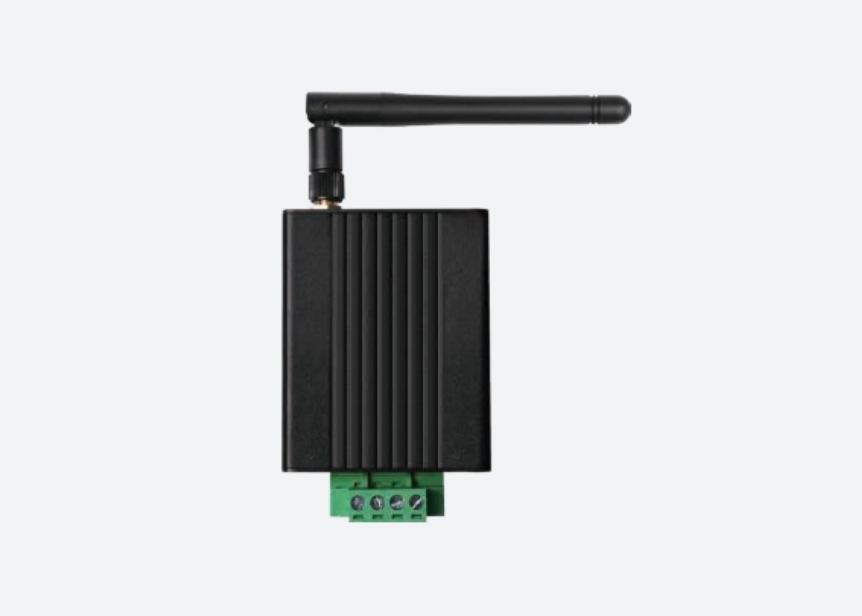
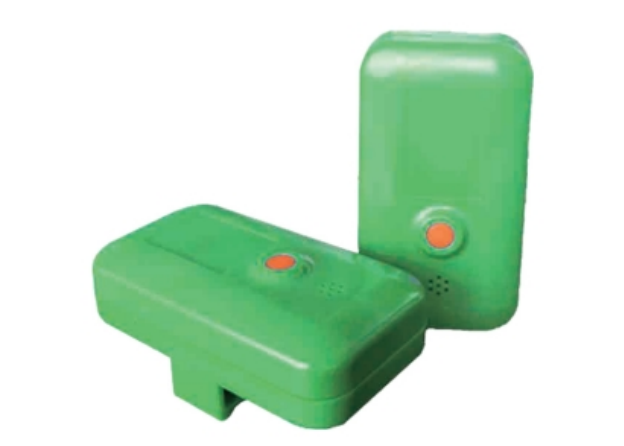
GC-P2303-Q UWB Personnel Positioning Tag — product imageEnlarge image
GC-P2303-Q UWB Personnel Positioning Tag — product image, enlarged
Reference image. Appearance and markings are confirmed for the selected model.
Sensing & Positioning

GC-P2303-Q UWB Personnel Positioning Tag

Model: GC-P2303-Q

A belt-worn UWB personnel tag with IMU motion detection, magnetic charging and a stationary beacon mode for positioning-system evaluation.

Supply
5 V DC, 500 mA
Channel
CH2 / CH9 (default CH2)
Maximum transmit power
18 dBm
Sleep current
< 40 µA

Sample availability, pricing and shipping are confirmed for your configuration. Specifications are manufacturer-stated.

Specifications

GC-P2303-Q UWB Personnel Positioning Tag specifications
ParameterStated value
Model GC-P2303-Q
Supply 5 V DC, 500 mA
Channel CH2 / CH9 (default CH2)
Maximum transmit power 18 dBm
Sleep current < 40 µA
Receive sensitivity −101 dBm
Positioning method TOF / PDOA / TDOA
Positioning range 400 m (open space)
Positioning accuracy 30 cm
Motion sensor IMU motion detection
Working mode Beacon; wakes every 2 minutes when stationary
Charging Magnetic charging; 15+ days per full charge

Values are taken from manufacturer documentation and apply to the listed configuration. Confirm the current model-specific document, conditions and revision before procurement.

Integration notes

Define the positioning task

Distinguish distance, angle and coordinate measurements. Review antenna placement, obstruction, host interfaces and the required update behaviour. Catalogue values are not a guarantee of performance in your installation.

Application notes & selection checklist

A wearable tag in a positioning system

GC-P2303-Q is the tag side of the positioning system. The documentation lists use with 1D, 2D and 3D base-station families; confirm the exact anchor model, firmware and positioning method together. A tag’s listed accuracy or open-space range does not establish the coverage of an entire workplace.

Match the reporting behaviour to the task

The tag supports CH2 and CH9, with CH2 listed as the default. Agree on the channel and destination-market radio documentation before choosing the evaluation configuration. Its IMU motion detection and stationary beacon behaviour also matter: ask which reports the host receives during movement, rest and wake-up.

The listed battery duration should be reviewed against those reporting settings. Magnetic charging, charging access and the required operating period belong in the same wearable-tag brief.

Observe during a personnel-tag evaluation

  • Record tag identity and anchor configuration alongside the test area and obstructions.
  • Check moving and stationary reporting, including how the host represents unavailable or delayed positions.
  • Compare the required recharge interval with representative use rather than extending the catalogue battery figure to every reporting mode.
Samples & customization

Share the interfaces, mechanical envelope and changes you need. We coordinate the review of feasibility, sample configuration, minimum quantities, tooling and commercial terms. Agree on the test scope and responsibilities before evaluation.

How we approach validation

Documentation

Model-specific datasheet

Request the current datasheet, interface information and revision for your project.

Request the datasheet

Applications to review

These paths help frame a review. A listed component is not a pre-validated system configuration.