New Energy
Solar modules, residential storage, inverters and UPS requirement reviews. Confirm configuration, documentation and supply scope for your project.
Explore this supply area
Work with one Hong Kong contact to define requirements, review component and product options, coordinate customization and prototype evaluation, and plan ongoing supply.
Or email sales@moduweave.com
Start with your industry task. We will review the selection, customization, prototype and supply questions that matter to your project.
Solar modules, residential storage, inverters and UPS requirement reviews. Confirm configuration, documentation and supply scope for your project.
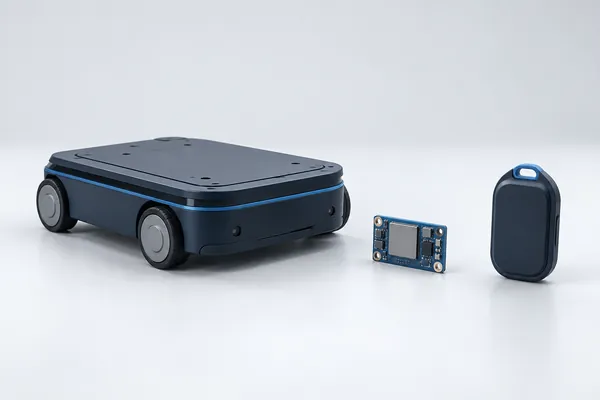
Explore this supply areaElectronic chip and module solution enquiries, with documented sensing, condition-monitoring and UWB options as current starting points.
Explore this supply areaWound-care equipment and medical-device sourcing requirements. Review intended use, configuration, documentation and sample evaluation scope.
Discuss a sourcing requirementhardware, electromechanical products and power-tool sourcing. Define specifications, customization needs and ongoing supply requirements.
Discuss a sourcing requirementChoose a family to review a model and its key values.
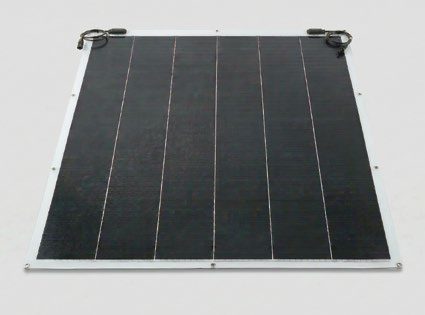
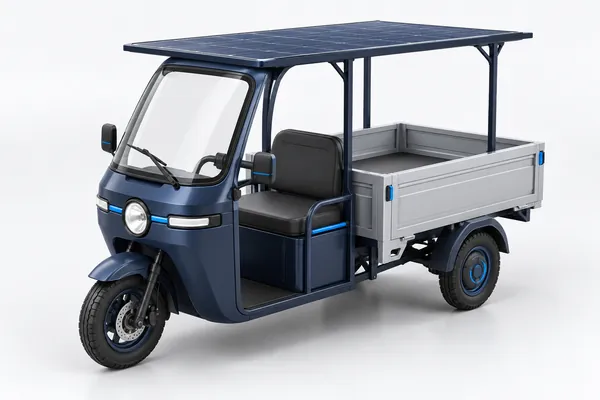
A 240 W lightweight PV module with a listed 1300 × 1020 × 2 mm envelope, for reviewing electric three-wheeler and equipment-roof integration.
| Rated power (Pmax) | 240 W ±3% |
|---|---|
| Maximum-power voltage (Vmp) | 29.0 V ±3% |
| Dimensions | 1300 × 1020 × 2 mm (±2 mm) |
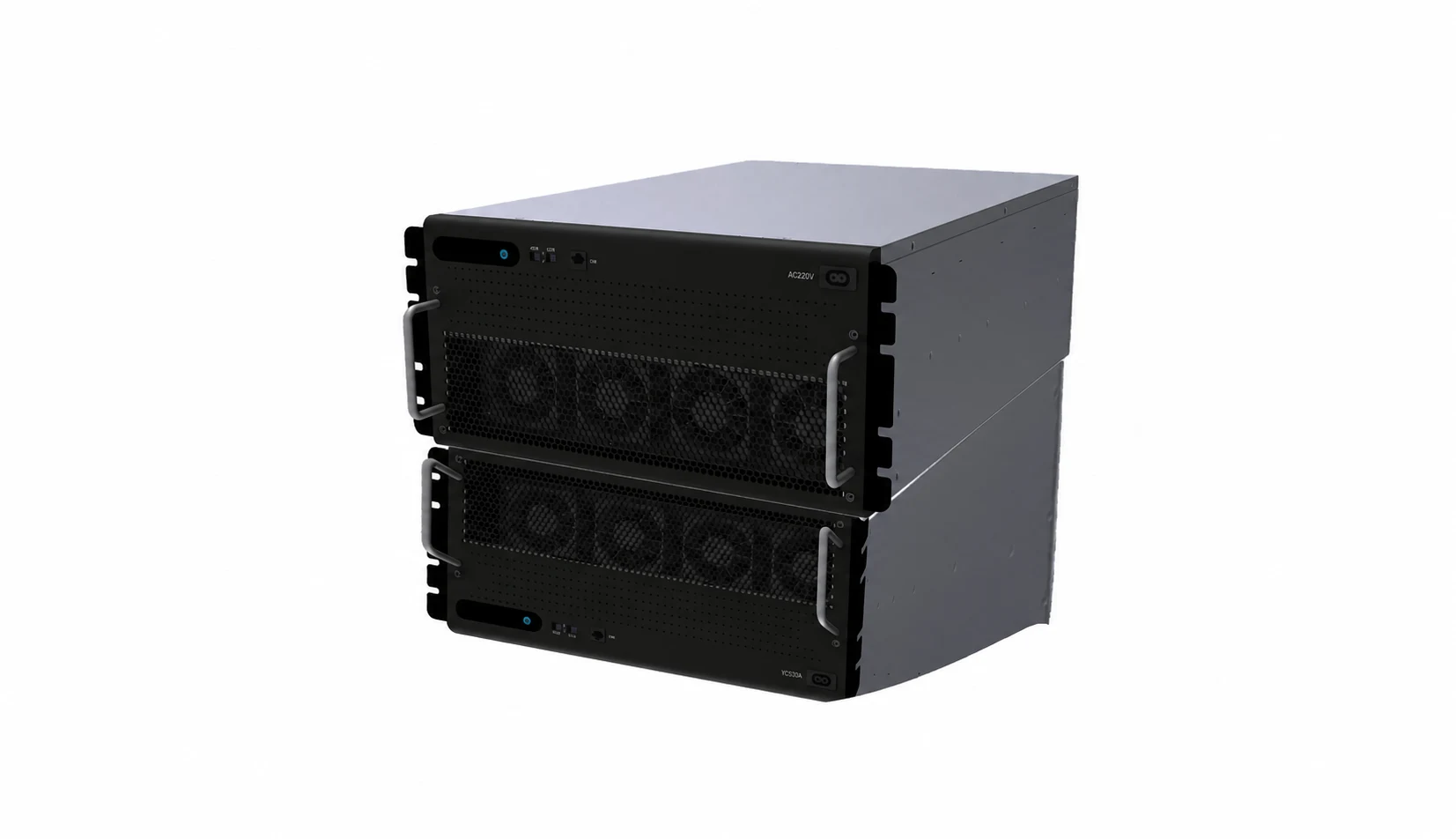
PCS1-100K storage-converter family with a 580–950 V DC window, a 100 kVA catalogue rating and RS485/CAN interfaces for system integration.
| DC voltage range | 580–950 V |
|---|---|
| Rated AC power (catalogue table) | 100 kVA |
| Communication interface | RS485 / CAN |
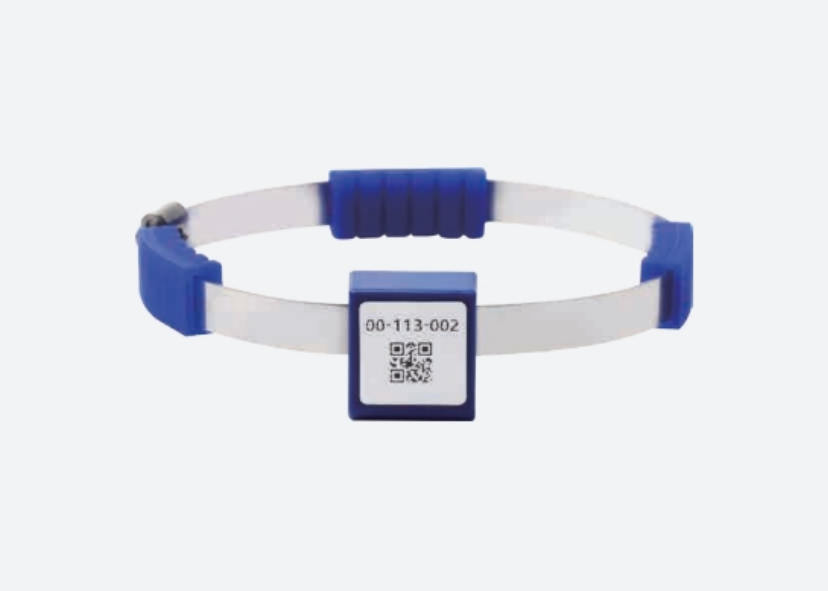
A CT-induction wireless temperature sensor for switchgear joints and busbars, with a listed load-current condition above 3 A and a 433 MHz radio link.
| Power supply | CT induction, load current > 3 A |
|---|---|
| Measurement range | −40 to 200 °C |
| Measurement error | ±1 °C |
Manufacturer-stated values. Selection and integration are reviewed for the exact configuration.
Explore the complete directoryThe equipment and its operating conditions shape the brief. These application paths set out what to review before choosing components.
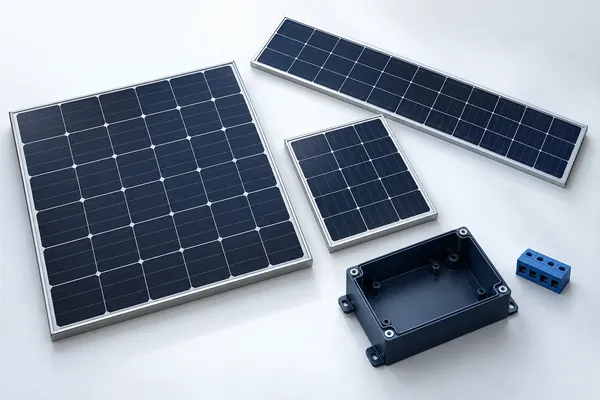
View all application pathsTurn mounting, electrical and load requirements into a scoped solar-component and customization enquiry.
Prepare a sensor-to-host review with minimum current, measuring points, receiver mapping and installation responsibilities.
Compare real module envelopes and define roof, movement and charging questions before a mobile solar evaluation.
Separate embedded following measurements from site positioning, then define tags, host interfaces and evaluation deliverables.
Application images show concepts or product references. Component selection starts with the stated requirements.
Make each next step specific: the requirements, the selected configuration and the responsibilities involved.
Share the equipment, target market, operating conditions and interfaces.
Compare the relevant models, documentation and open technical questions.
Review feasible changes, interfaces, deliverables and revision responsibilities with the supplier.
Confirm the configuration, costs, responsibilities and acceptance criteria.
Keep model and revision records, sample-to-volume handover and agreed change or quality feedback together.
Use technical guides to prepare your questions. Request current model documentation, then agree on the scope of evaluation.
Check the mounting envelope, electrical interface and energy task before choosing a solar module by wattage.
Use an operating-state worksheet to review the W-S01 power condition and the availability of required temperature data.
A copyable brief that separates fixed requirements, preferences and unanswered questions before a component shortlist.
We work on B2B sourcing projects with a defined application and market.
For a model-specific question or an existing product issue, visit product support.
support@moduweave.comYou receive a reference number straight away. We review your requirements and reply by email from sales@moduweave.com with questions or the next step, such as documentation, a sample plan or a quotation.
Yes. Share the product type, application, essential specifications and estimated quantity. The directory is a starting point for the sourcing discussion.
Send the model or application and what you need to evaluate. Availability, configuration, costs, support and shipping are confirmed before proceeding.
Compatibility is reviewed for the proposed configuration. Electrical interfaces, protocols, installation conditions and evaluation criteria need to be checked for the complete system.
Use a product’s documentation request or contact our support team with the exact model. Current documentation and any revision questions are reviewed during the discussion.
Share the application, the specifications you know and the questions still open. We will start there.