Hong Kong contact. Mainland China manufacturing.

Mini UPS.
Match the load.

Compare DC and AC backup for your equipment. Match output voltage, load demand and battery configuration before planning a sample evaluation.

Bring the device input, connector and required backup period. We will help frame the configuration and documentation review.

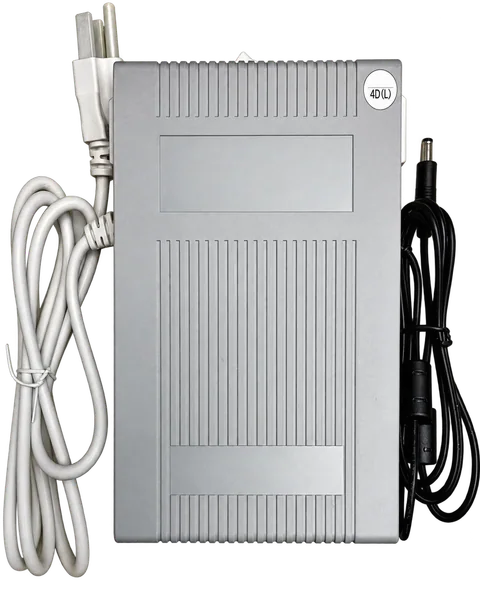
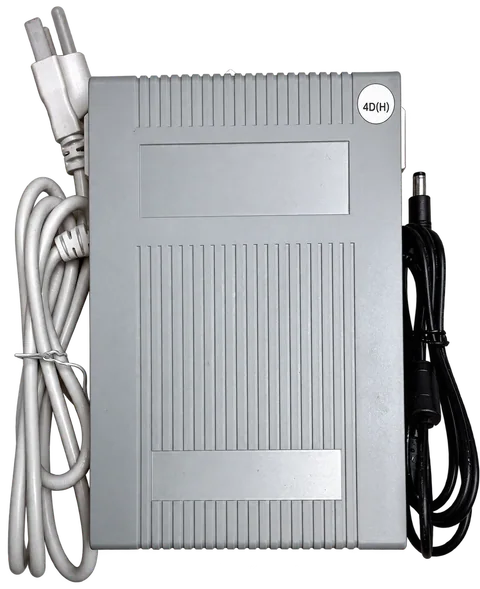
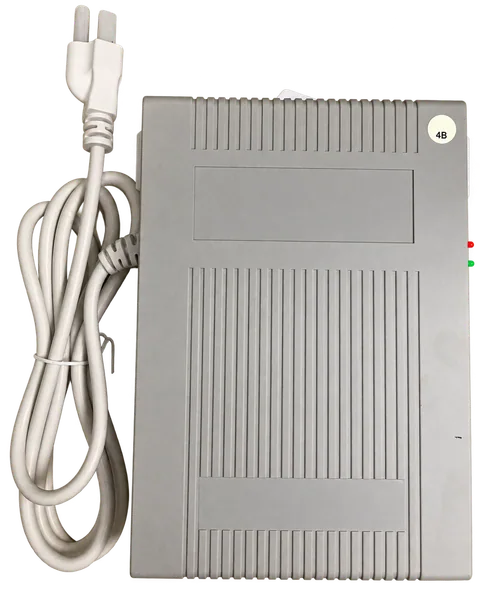
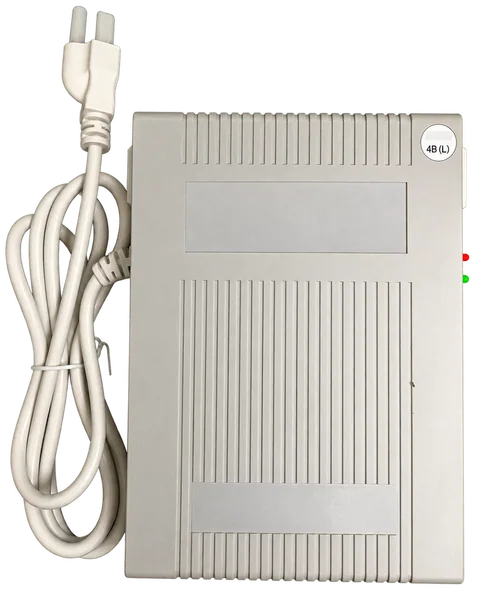
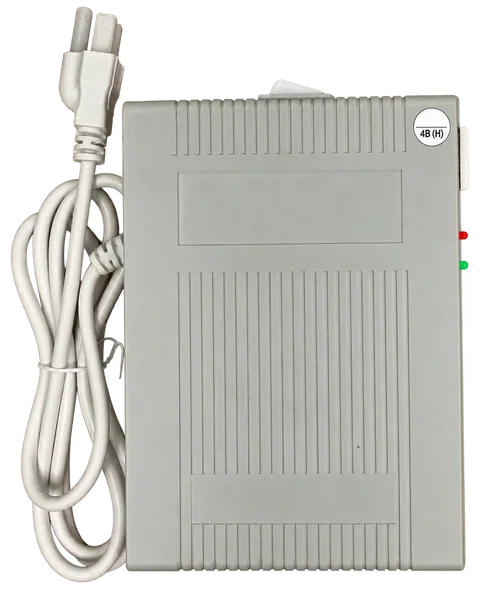
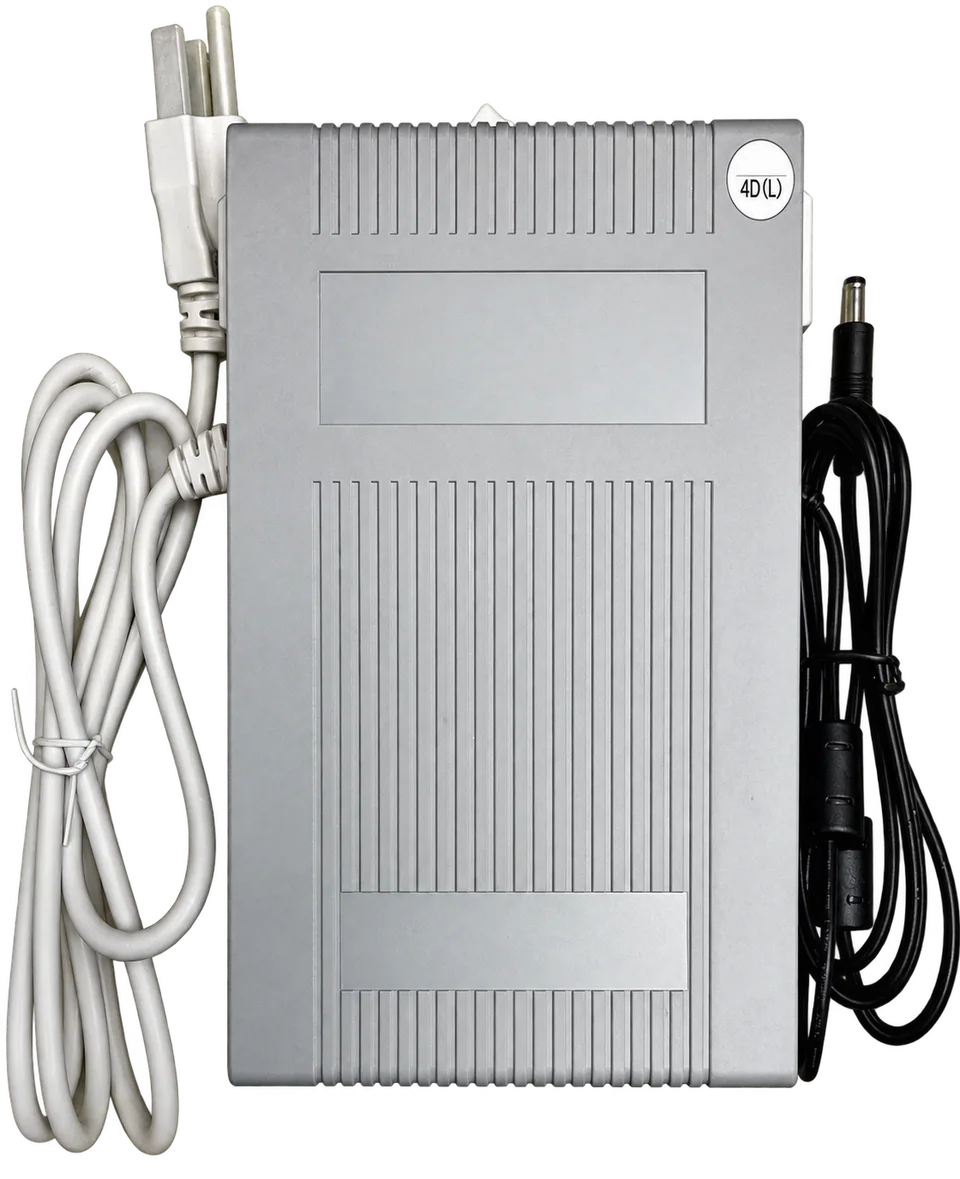
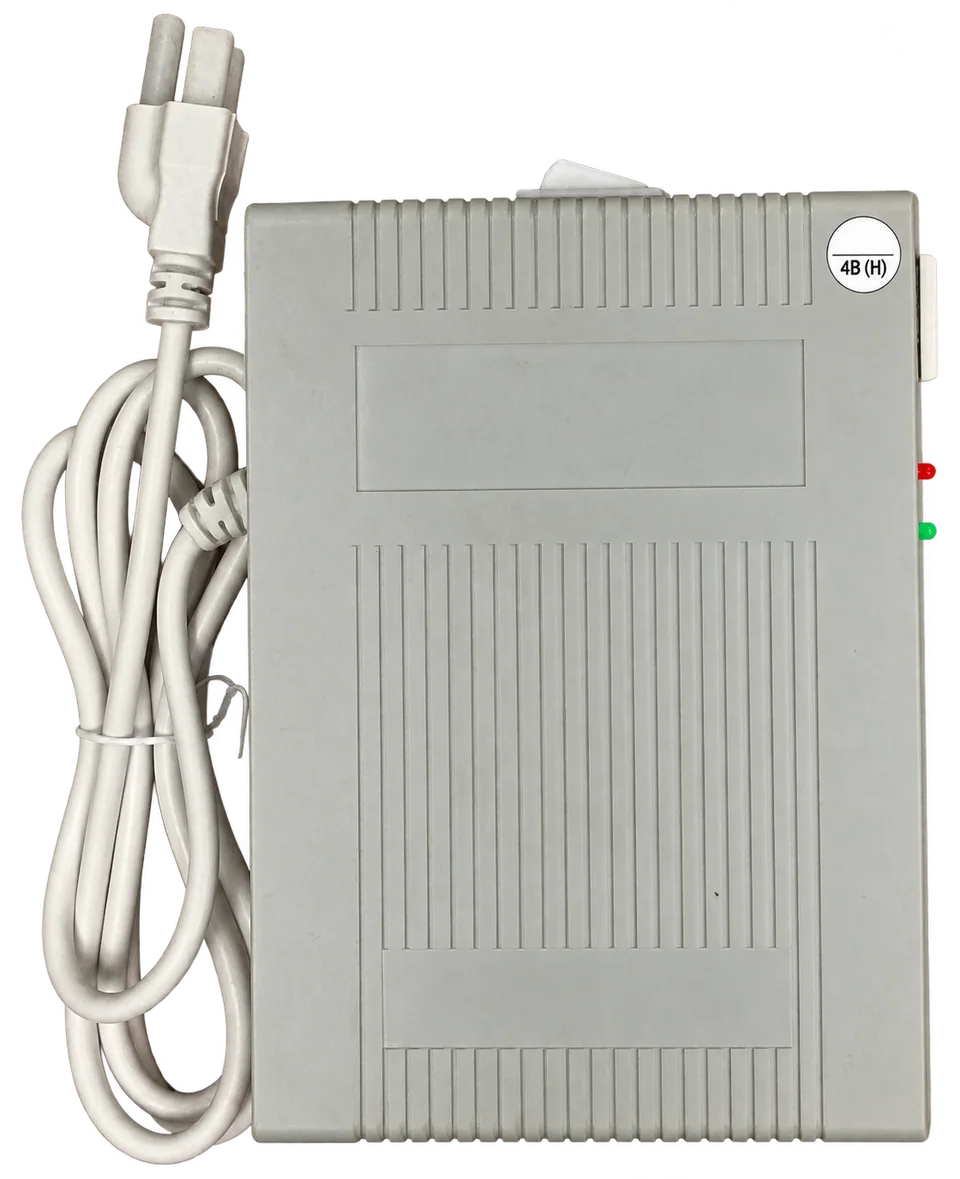
4D(L) DC-output UPS reference photograph 4B(H) AC-backup UPS reference photograph
4D(L) · DC output
4B(H) · AC backup

Manufacturer reference photographs; identifying and generic rating labels edited. Confirm the selected configuration.

Start with the output.

Compare DC and AC output, power limits and battery options. Choose a reference to review its full specification and prepare an enquiry.

Compare the key differences.

Basic, L and H references have different power or battery information. Voltage options require an ordered configuration.

On narrow screens, scroll the table sideways to compare all columns.

Documented output, power and battery comparison with separately calculated nominal energy
ReferenceOutputPower limitBatteryCalculated nominal energy
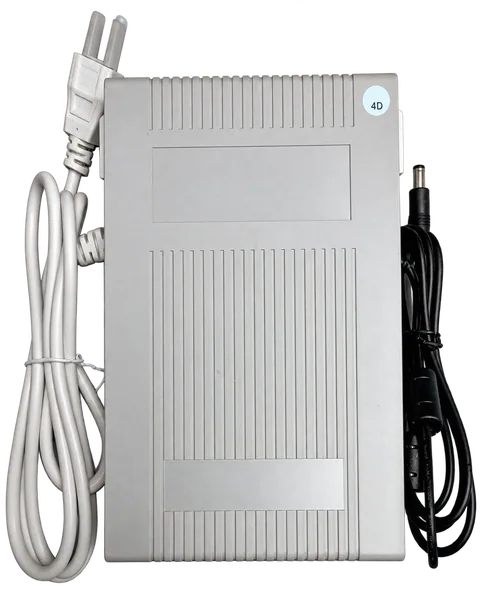
4D 12 VDC ±2% 60 W Rated power Confirm battery configuration Battery details to confirm
4D(L) 12 VDC ±2% 60 W Rated power 14.8 V · Up to 3.4 Ah · Lithium-ion Up to 50.32 Wh
4D(H) 12 VDC ±2% 60 W Rated power 14.8 V · Up to 6.8 Ah · Lithium-ion Up to 100.64 Wh
4B AC · confirm voltage option 300 W / 500 VA Power configuration Confirm battery configuration Battery details to confirm
4B(L) AC · confirm voltage option 150 W Maximum power 14.8 V · 3.4 Ah · Lithium-ion 50.32 Wh
4B(H) AC · confirm voltage option 300 W Maximum power 14.8 V · 6.8 Ah · Lithium-ion 100.64 Wh

Nominal Wh is calculated from the documented battery voltage × capacity, not measured usable energy or runtime. An “Up to” capacity gives an upper-bound calculation. Confirm the battery nameplate Wh and selected configuration.

For the basic 4D, request the current battery type, capacity and confirmation of the listed 1.314 kg weight before comparing it with L/H versions.

Documentation in progress.

Portable operation and timed shutdown may suit a different brief. Request current electrical specifications before shortlisting these functional references.

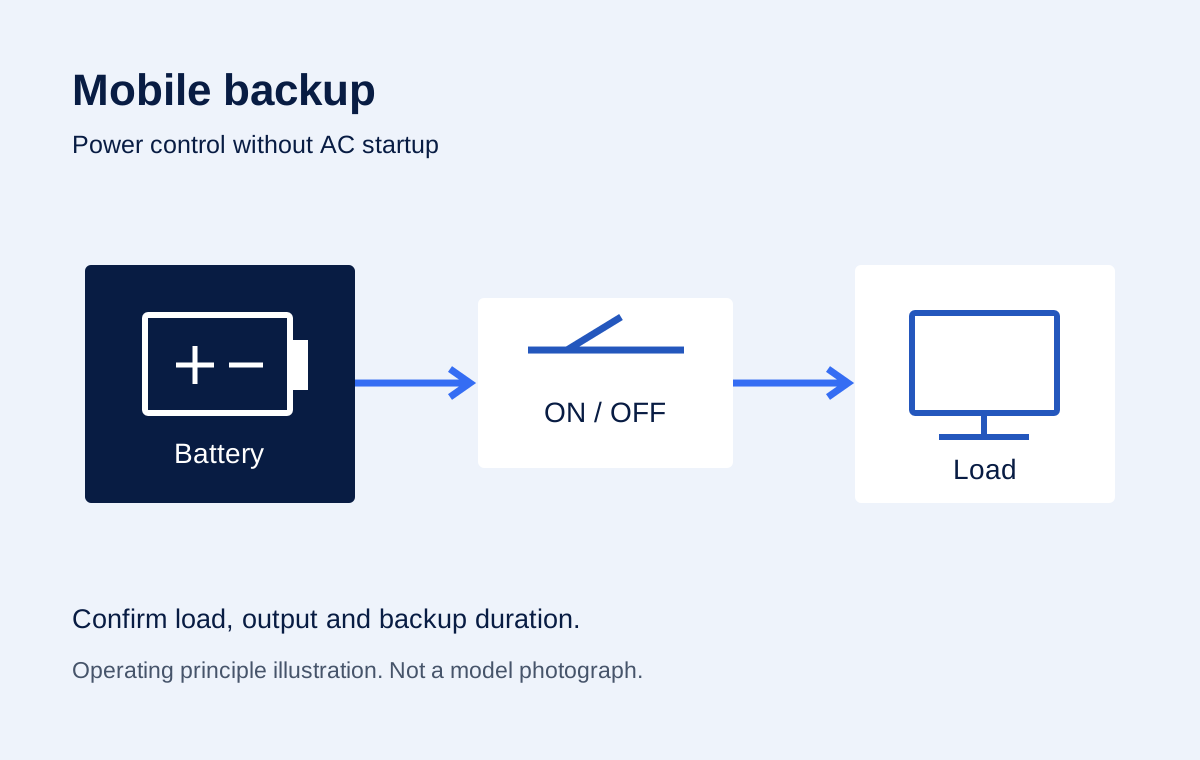
Battery-to-load flow with manual ON/OFF control; no AC startup required
Operating principle illustration, not a model photograph. Confirm the selected implementation.

4M Mobile Mini UPS

4M mobile mini UPS reference with operation without AC startup, ON/OFF control and a listed Ni-MH battery. Electrical ratings require current documentation.

Request 4M documentation
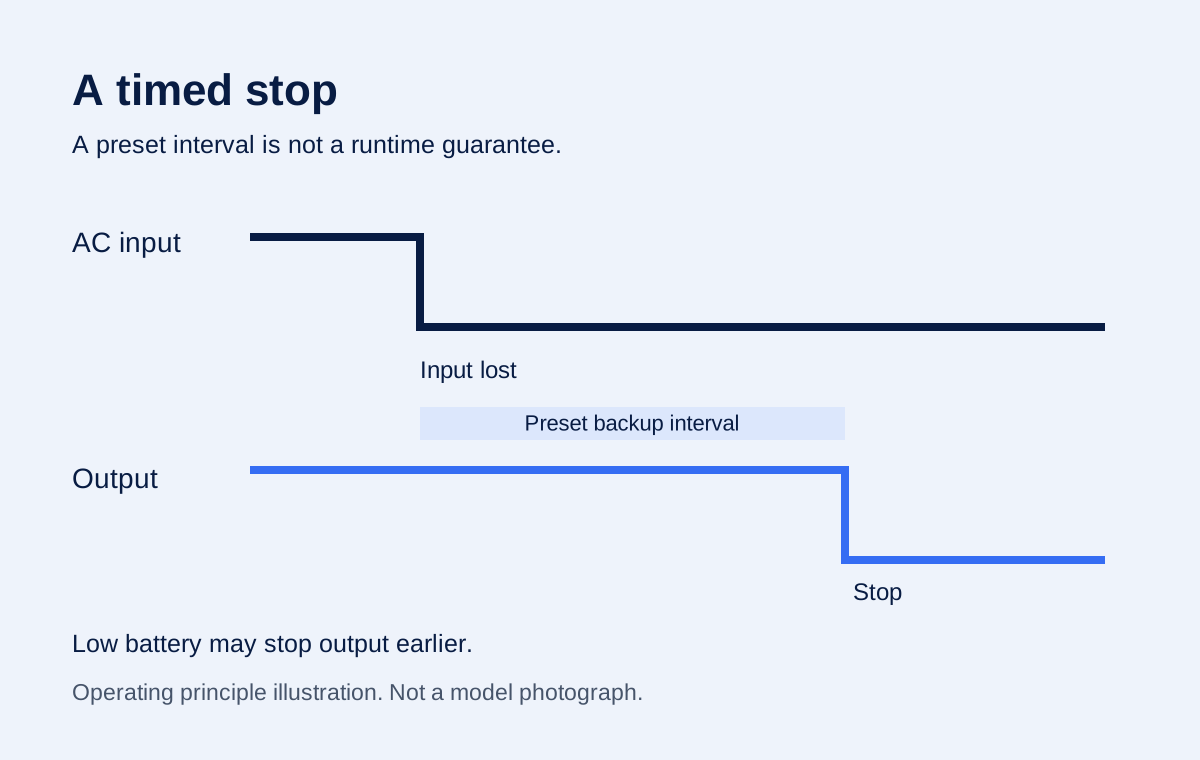
Input-loss and preset-stop timing diagram; actual backup time is not specified
Operating principle illustration, not a model photograph. Confirm the selected implementation.

4T Timed Mini UPS

4T timed mini UPS reference for preset backup operation followed by shutdown, with a listed Ni-MH battery. Timing and electrical configuration require review.

Request 4T documentation

Start with the equipment.

Use these application briefs to define the electrical match. They are starting points for review, not verified compatibility or runtime claims.

  • Routers & ONTs

    For devices specified for 12 VDC input, compare the 4D references against the load current, connector size and polarity. Include startup demand and the backup duration you need to test.

  • CCTV & access control

    List every powered device, its voltage, total continuous and startup demand, cable run and required input-loss response. Confirm any safety-related operating requirements for the complete installation.

  • POS & connected equipment

    Identify the terminal and peripherals, AC or DC supply, W and VA demand where available, and the intended shutdown process. Agree a sample test at the actual combined load.

What needs to
stay powered?

Start with the equipment and its operating conditions. Open questions can travel with the brief.

Prepare Your UPS Enquiry
Protected load
Normal and startup demand in W and VA, power factor and the equipment’s response to an interruption.
Input & output
AC or DC, the selected voltage, connectors, polarity and any shutdown interface.
Backup behaviour
Required duration at a stated load, portable use or timed shutdown. A timer setting does not establish battery runtime.
Installation & market
Space, environment, service access and the destination market’s documentation requirements.

Confirm the model.
Plan the sample.

Request the selected model’s documents for your destination market, then agree the load test, evaluation configuration and sample terms.

Request UPS Documentation
A wattage is not a runtime.

Rated and maximum output describe different limits. Backup duration depends on the battery, load, operating conditions and cutoff behaviour. Validate it at the intended load.

Voltage options require a selection.

Published output-voltage options are available configurations, not an automatic voltage range in one unit. Confirm voltage, frequency where relevant, connector and polarity together.

Request the model and market document pack.

Request the current electrical specification, battery information and available certification or test records for the exact model and destination market. Agree the evaluation configuration and acceptance criteria before purchase.

Confirm battery documents before dispatch.

Ask for the actual battery nameplate Wh, UN 38.3 test summary and safety data sheet (SDS/MSDS), then confirm carrier and route acceptance before arranging samples. The calculated nominal Wh in the comparison table does not determine a shipment classification or substitute for the selected battery’s documents.

Discuss the changes
your equipment needs.

Bring a drawing, existing power supply or installation brief. Each requested change needs a supplier feasibility and documentation review; none is a standard option unless confirmed for the selected model.

Discuss UPS customization
Output & connectors
Requested voltage, connector type, polarity and electrical limits.
Cables & installation
Cable length, routing, mounting space and the operating environment.
Branding & packaging
Private-label enclosure markings, packaging, label language and documentation.
Alarms & shutdown signals
Any requested dry contact, alert or host shutdown interface and its required behaviour.

Keep the brief
with the reference.

Choose a reference to carry its code into your enquiry, or describe the project before narrowing the selection.

Discuss Your UPS Project How we scope evaluation