
Hong Kong contact. Mainland China manufacturing.
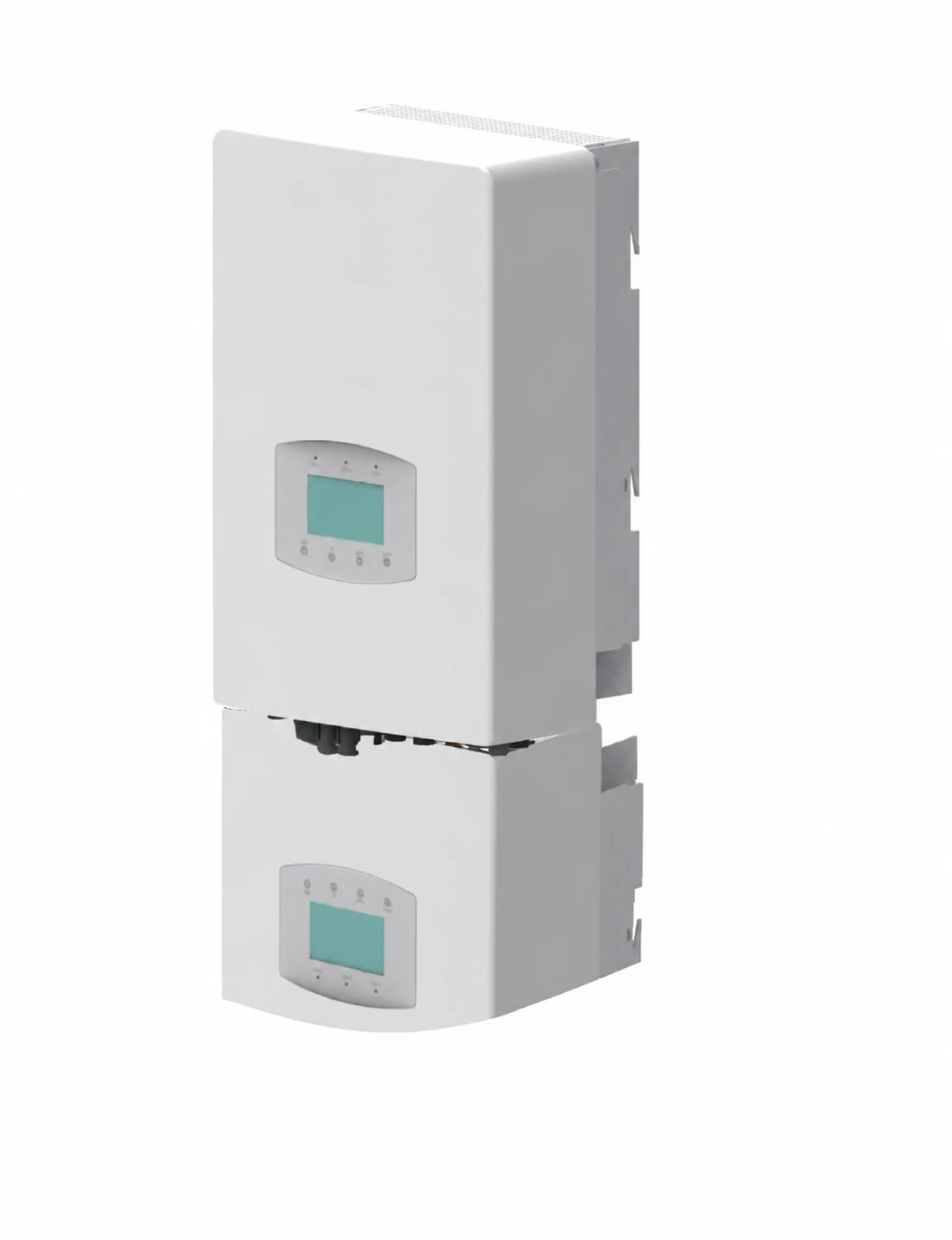
4.6–8 kW Low-Voltage Hybrid Inverter Series — product imageEnlarge image
4.6–8 kW Low-Voltage Hybrid Inverter Series — product image, enlarged
Reference image. Appearance and markings are confirmed for the selected model.
Power & Energy

4.6–8 kW Low-Voltage Hybrid Inverter Series

Catalogue selection · confirm the orderable model

Single-phase hybrid inverter options with a listed 42–58 V battery window and RS485/CAN battery communication, for residential PV and storage review.

Listed rated-power options
4.6 / 5 / 6 / 7.2 / 8 kW
Battery voltage range
42–58 V
Battery communication
RS485 / CAN
Protection rating
IP66 or IP65, depending on model

Sample availability, pricing and shipping are confirmed for your configuration. Specifications are manufacturer-stated.

Specifications

4.6–8 kW Low-Voltage Hybrid Inverter Series specifications
ParameterStated value
Listed rated-power options 4.6 / 5 / 6 / 7.2 / 8 kW
Battery voltage range 42–58 V
Battery communication RS485 / CAN
Protection rating IP66 or IP65, depending on model

Values are taken from manufacturer documentation and apply to the listed configuration. Confirm the current model-specific document, conditions and revision before procurement.

Integration notes

Power conversion in your system

Review the input and output operating windows, battery and control interfaces, enclosure and protection requirements. Integration and destination-market suitability need confirmation for the selected model and system configuration.

Application notes & selection checklist

Choose the exact inverter, not just the series

The 4.6–8 kW range is a family overview. Cooling, protection, dimensions and current limits vary between models. First identify the required power option and its current datasheet; an enclosure rating shown for one version must not be applied to the whole series.

Review the inverter and battery together

The listed battery-voltage window is 42–58 V. Compare the battery’s operating limits and the intended inverter configuration, then request the applicable BMS compatibility information. RS485 or CAN describes an interface; it does not by itself confirm a compatible battery protocol.

Also define the intended operating mode and destination market. Model-specific grid documentation and system responsibilities need to be settled before the residential energy design is treated as ready for installation.

Prepare the sample configuration

Record the inverter model, battery and BMS revision, required control interfaces and proposed operating mode. Agree on the functions to evaluate and the records needed from the manufacturer. Keep any changes of hardware or firmware visible when moving from the sample to a procurement decision.
Samples & customization

Share the interfaces, mechanical envelope and changes you need. We coordinate the review of feasibility, sample configuration, minimum quantities, tooling and commercial terms. Agree on the test scope and responsibilities before evaluation.

How we approach validation

Documentation

Model-specific datasheet

Request the current datasheet, interface information and revision for your project.

Request the datasheet

Applications to review

These paths help frame a review. A listed component is not a pre-validated system configuration.